

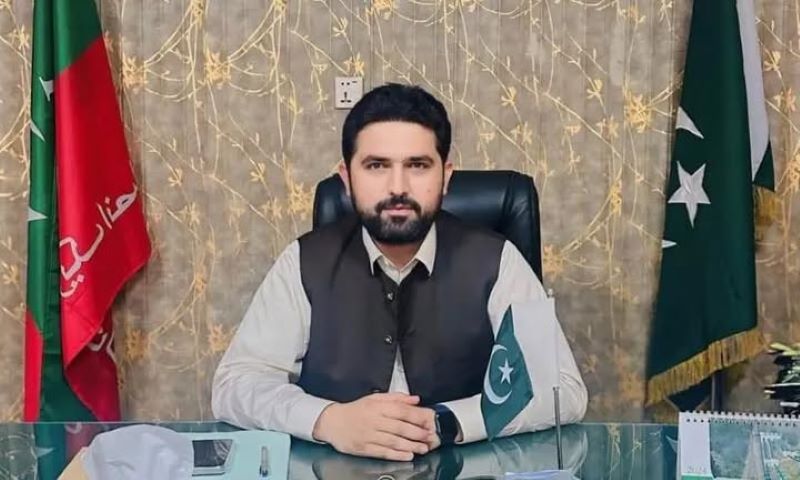
ISLAMABAD: Pakistan’s political crisis deepened on Monday as opposition leader Mehmood Khan Achakzai demanded that the government disclose the whereabouts of Khyber Pakhtunkhwa (KPK) Chief Minister Sohail Afridi, who has reportedly been held in preventive custody since the province came under emergency measures and governor rule on October 11.
Nearly a week after his reported detention, Afridi has not been publicly accounted for or presented before a court, according to the opposition’s account. His party and lawyers have reportedly been unable to establish his whereabouts. If confirmed, the failure to disclose his location or bring him before a judicial authority raises serious questions about due process, constitutional protections and the rule of law.
The government has not, in the account provided, publicly clarified Afridi’s legal status or disclosed where he is being held.
Speaking in Pakistan’s National Assembly, Achakzai said Afridi and several opposition lawmakers had been missing since the emergency measures were imposed. He called on the authorities to inform their families and issue production orders requiring the absent lawmakers to be brought before the House.
Opposition chief whip Amir Dogar also submitted a motion seeking the production of six Pakistan Tehreek-e-Insaf (PTI) lawmakers. The motion described the reported detentions as a matter of urgent public importance, warning that the absence of elected representatives could undermine parliamentary functioning and democratic representation.
It urged lawmakers to examine the circumstances surrounding the reported detentions and consider appropriate action under parliamentary rules.
The proceedings also exposed a separate problem: low attendance in the National Assembly. Pakistan Peoples Party lawmaker Agha Rafiullah criticised the government for the absence of federal ministers, arguing that the empty front benches reflected a lack of commitment to legislation. Dogar echoed his concerns.
The deputy speaker temporarily halted proceedings after the opposition pointed out that attendance had fallen below the required quorum of 65 members. The session resumed after attendance was counted twice and the required number was reached.
The Assembly later adjourned until Tuesday morning.
The immediate question, however, remains unanswered: where is Afridi, and under what legal authority is he being held? In a constitutional system, emergency measures do not remove the need for lawful detention, judicial oversight and respect for fundamental rights.





