Indian opposition parties held demonstrations across the country for a third day on Thursday, protesting police action against lawmakers and demanding the resignation of Chief Election Commissioner Gyanesh Kumar.
The protests centre on a controversial revision of voter lists. Opposition groups accuse Prime Minister Narendra Modi’s Bharatiya Janata Party of changing the lists in its favour, allegedly with the help of election officials appointed by the government, according to the Reuters. The Election Commission and the BJP have rejected the allegations, while Kumar has not publicly commented.
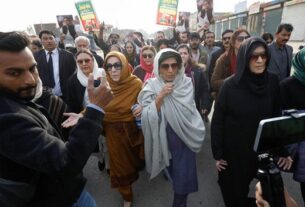
In Telangana, Congress supporters marched through the streets, while the Rashtriya Janata Dal organised a similar protest in Bihar. In Bengaluru, hundreds of young people from the “Cockroach” movement gathered with placards reading, “Every name counts, every vote matters” and “Stop the murder of democracy”.
“I think the right to vote is the most basic part of democracy,” said Khushi Shrivastava, a 22 year old architecture student. She said many people who wanted to vote and cared about India’s future feared that their rights were being taken away.
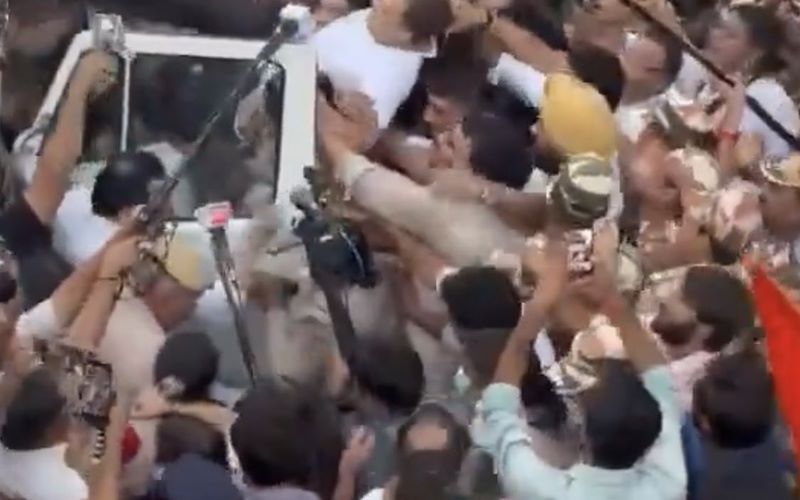
Tensions rose after Congress accused Delhi Police of using “brute force” while briefly detaining party leader Rahul Gandhi, his sister Priyanka Gandhi Vadra and other lawmakers on Wednesday. The lawmakers had been trying to reach the Jantar Mantar protest site in New Delhi.
Police rejected the accusation, saying it was intended to damage the reputation of the force. Senior officer Shrishti Pandey said officers were carrying out their legal duties and would not take unnecessary action.
BJP spokesperson Gaurav Bhatia dismissed the opposition’s claims as baseless and accused its leaders of acting irresponsibly.
The demonstrations mark a fresh political challenge for Modi halfway through his third term. They also revive memories of recent protests by the “Cockroach” youth movement, which helped force the resignation of the education minister over leaked examination papers.
As slogans echoed through India’s cities, the dispute over voter lists became more than a political argument. For protesters, it was a question of whether every citizen’s name and every citizen’s voice would still count.