Tensions between India and Pakistan have sharply escalated following a horrifying terrorist attack in Jammu and Kashmir’s Pahalgam, where 26 tourists, including a foreign national, were brutally killed in a religiously-motivated assault. The attack was claimed by The Resistance Front, a terror group believed to be linked to the banned Lashkar-e-Taiba based in Pakistan, reported by Indo-Pak Media on ongoing conflict after Pahalgam attack.
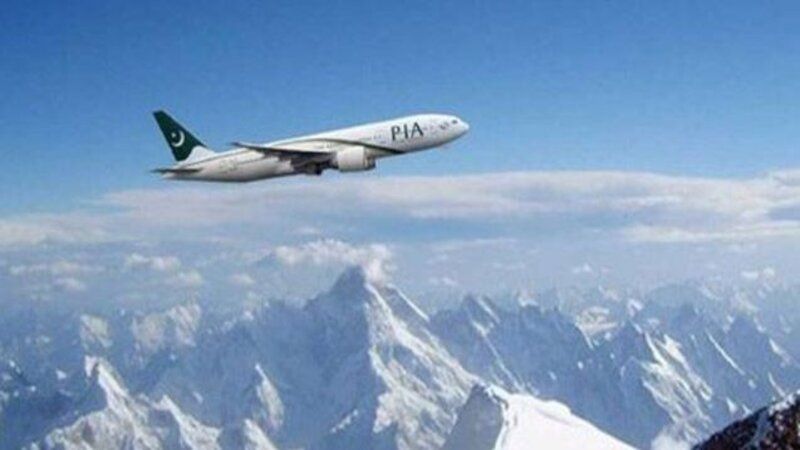
In the wake of the tragedy, Pakistan has taken urgent steps to secure its airspace and prepare for any possible response from India. On Wednesday, Pakistan International Airlines (PIA) cancelled all commercial flights to Gilgit and Skardu in Pakistan-occupied Kashmir (PoK), citing security concerns. Flights from Karachi, Lahore, and Islamabad were grounded, according to flight schedules reported by local Pakistani media.
Officials described these actions as “precautionary,” but they reflect a growing fear within Islamabad of potential military action by India. The Pakistani government has not said whether these cancellations are temporary or part of a longer-term security plan.
Alongside flight cancellations, Pakistan has increased airspace surveillance and tightened security at all major airports across the country. Air traffic controllers have been ordered to closely monitor all flights, including those from foreign carriers, especially those flying in from or near Indian airspace.
New rules now require strict verification of flight clearance and identification from pilots of suspicious aircraft. Security agencies, including the Airport Security Force and local police, have been placed on high alert. All airport personnel must carry official ID cards at all times, and unauthorized individuals are being denied entry to airport zones.
The heightened alert comes as public anger grows across India. Citizens and Kashmiris have staged protests blaming Pakistan for supporting terror groups, while global condemnation continues to pour in over the Pahalgam massacre.
With both nations on edge and military readiness increasing, the region faces a tense and uncertain future. Analysts warn that even small incidents could quickly spiral into broader conflict if diplomacy and restraint are not exercised.